



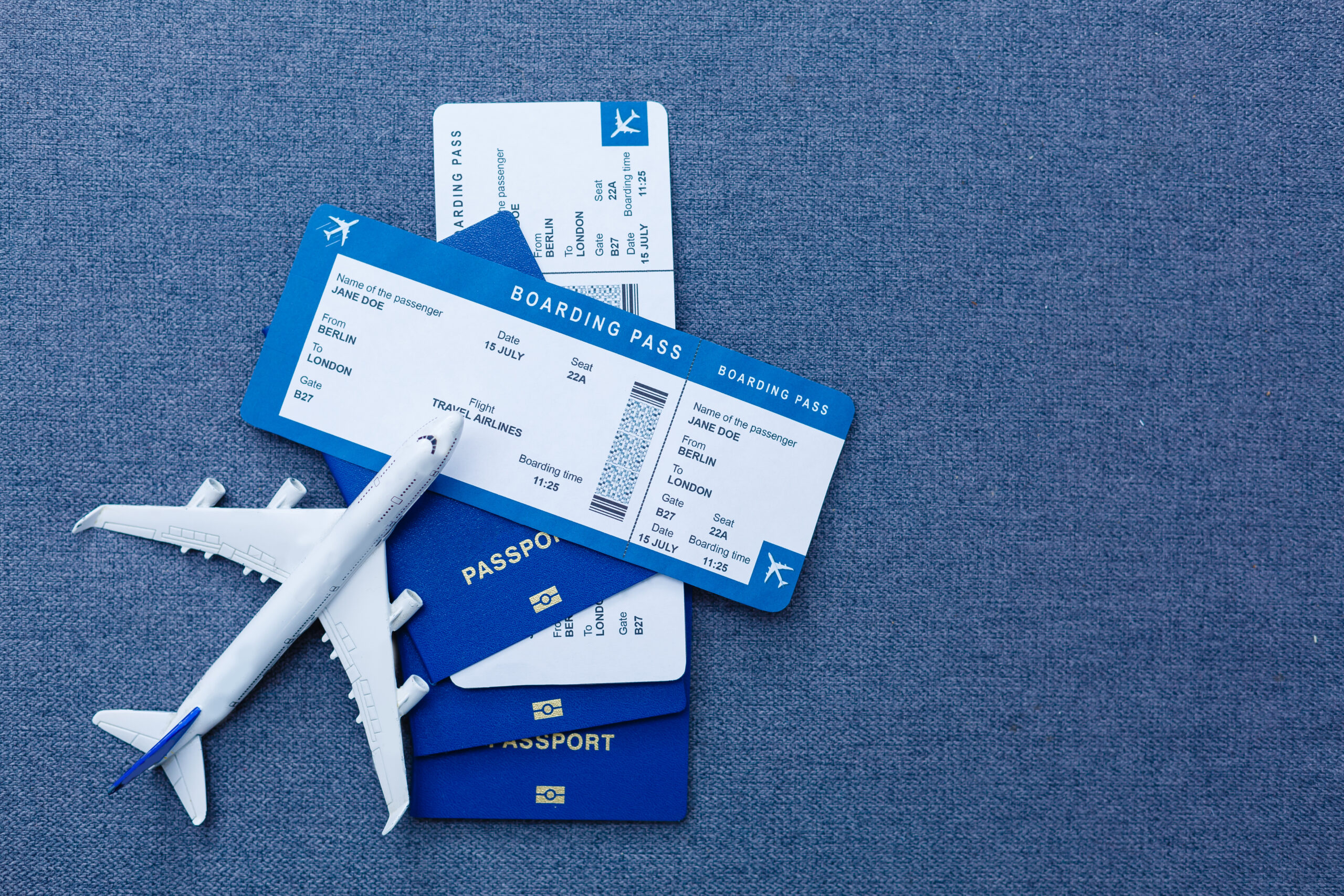
Booking a flight online can feel like a small victory until you reach the final checkout page and realize the ticket suddenly costs much more than what you first saw. The reason? Hidden fees.
Airlines have become increasingly creative in how they display prices. While the base fare might look cheap, additional charges for baggage, seat selection, and other “optional” extras can quickly raise the total cost. Knowing what to expect and how to avoid it is the key to smarter travel.
Why Hidden Fees Exist
A few years ago, most airline tickets included checked bags, meals, and even seat selection. But as budget airlines entered the market, carriers began to “unbundle” fares to appear more affordable.
This approach allows airlines to advertise a lower base price while charging separately for the rest. It’s a marketing tactic that works when a lower number grabs attention but travelers often end up paying more in the end.
Understanding how these fees work can help you plan realistically and avoid unpleasant surprises.
1. Baggage Fees: The Most Common Hidden Cost
Baggage fees are perhaps the most widespread hidden charge in air travel.
Carry-on baggage:
Many travelers assume that a carry-on bag is free, but that’s not always true. Some budget airlines now charge for larger cabin bags beyond a small personal item like a backpack or handbag.
Checked baggage:
Full-service airlines usually include a standard baggage allowance, but low-cost carriers may charge for every checked bag. Even going slightly over the weight limit can trigger an additional fee, often much higher than you’d expect.
How to avoid unnecessary baggage fees:
- Check baggage limits before booking. Each airline sets its own rules.
- Pre-book baggage online. Paying at the airport often costs more.
- Travel light. Stick to essentials and use smart packing techniques.
- Compare total fares. Sometimes a slightly higher ticket price can include baggage, saving you more overall.
In short, don’t just look at the fare, look at what it includes.
2. Seat Selection Fees: Paying for Comfort and Convenience
Once you’ve picked your flight, the next screen often offers seat selection and that’s where another hidden cost appears.
Airlines now charge extra for choosing specific seats, whether you prefer a window, aisle, or one closer to the front. In some cases, even regular middle seats come with a small fee.
If you skip paying, the airline will assign you a seat during check-in. That’s fine if you’re traveling solo, but it can be inconvenient for families or couples who want to sit together.
How to manage seat selection fees:
- Skip it if you don’t mind where you sit. Random seat assignments are usually free.
- Check in early. The earlier you check in, the better your chance of getting a decent seat without paying extra.
- Use loyalty or frequent flyer perks. Many programs offer free seat selection for members.
- Be cautious with “preferred” seats. These often have no real difference in comfort just location.
The key is to balance convenience with cost. Paying extra might make sense on long flights, but for short trips, it’s often not worth it.
3. Change and Cancellation Fees: The Hidden Cost of Flexibility
Change and cancellation policies are another area where airlines make significant revenue.
Flexible travel plans can be expensive if you book a non-changeable or non-refundable fare. Many basic economy tickets don’t allow any changes, meaning that if you miss your flight or need to reschedule, you could lose the full amount.
Even when changes are allowed, airlines may charge an additional fee plus any fare difference between your old and new flight. Cancellation refunds can also be restrictive often provided as travel credit rather than cash.
How to reduce the risk:
- Choose flexible fares if your plans aren’t certain.
- Read the fare rules carefully before finalizing your booking.
- Consider travel insurance. It can protect you from losing the full amount due to emergencies.
- Avoid ultra-cheap fares if you anticipate possible schedule changes.
Sometimes, paying a little more upfront for flexibility can save you a lot later.
4. Smaller Add-Ons That Add Up Quickly
Not all fees are obvious. Airlines have found subtle ways to add small charges that seem harmless individually but can quickly stack up.
These may include:
- Early boarding or priority check-in for faster security clearance.
- Seat upgrades for extra legroom or preferred rows.
- Printing your boarding pass at the airport instead of checking in online.
- Snacks and drinks onboard, especially on short or budget flights.
- In-flight Wi-Fi or entertainment access.
- Convenience fees for using third-party booking platforms.
While none of these are essential, they can collectively make your “affordable” flight far less so.
Smart tip:
Before you confirm your booking, review the airline’s “Optional Services” or “Add-ons” section. Airlines are required to list these fees publicly, but many travelers overlook them.
5. How to Outsmart Hidden Fees
Avoiding hidden fees entirely might not always be possible, but being an informed traveler helps you stay one step ahead.
Here are a few strategies that make a real difference:
- Compare total costs, not just the ticket price. Use websites that show baggage and add-on fees clearly.
- Book directly with the airline. Third-party sites may hide additional charges until checkout.
- Join airline loyalty programs. Even basic membership can unlock small benefits like free seat selection or early check-in.
- Use travel-friendly credit cards. Some cards include perks like free checked bags or travel insurance.
- Travel light. If you can manage with just a personal item, you’ll save the most.
- Double-check before paying. Review every screen before clicking “Confirm” to ensure no extras have been added automatically.
The most important rule? Don’t rush. Hidden fees often appear in the fine print near the end of the booking process, so take your time.
6. The Push for Clearer Pricing
Globally, there’s growing pressure on airlines to be more transparent about their fees. Regulators are encouraging airlines to show the true cost of a ticket not just the base fare.
While progress is being made, consistency is still lacking. Some airlines clearly list optional charges upfront, while others bury them several screens deep.
Until complete transparency becomes standard, travelers must take responsibility for reading the details carefully. Awareness and preparation remain the best ways to avoid surprises.
Final Takeaway: Read the Fine Print Before You Fly
Hidden airline fees can turn a seemingly cheap flight into a costly one, but they don’t have to catch you off guard. By paying attention to baggage rules, seat selection costs, and change policies before booking, you can travel smarter and more confidently.
Remember — the cheapest fare isn’t always the best deal. The real value lies in knowing exactly what you’re paying for and avoiding unnecessary add-ons.
A few extra minutes spent reviewing the fine print can save you both money and frustration so you can focus on what matters most: enjoying your journey.


