Certificate attestation: what it is and when you need it
Why employers and governments abroad ask for attested documents, and how the process works in general terms.
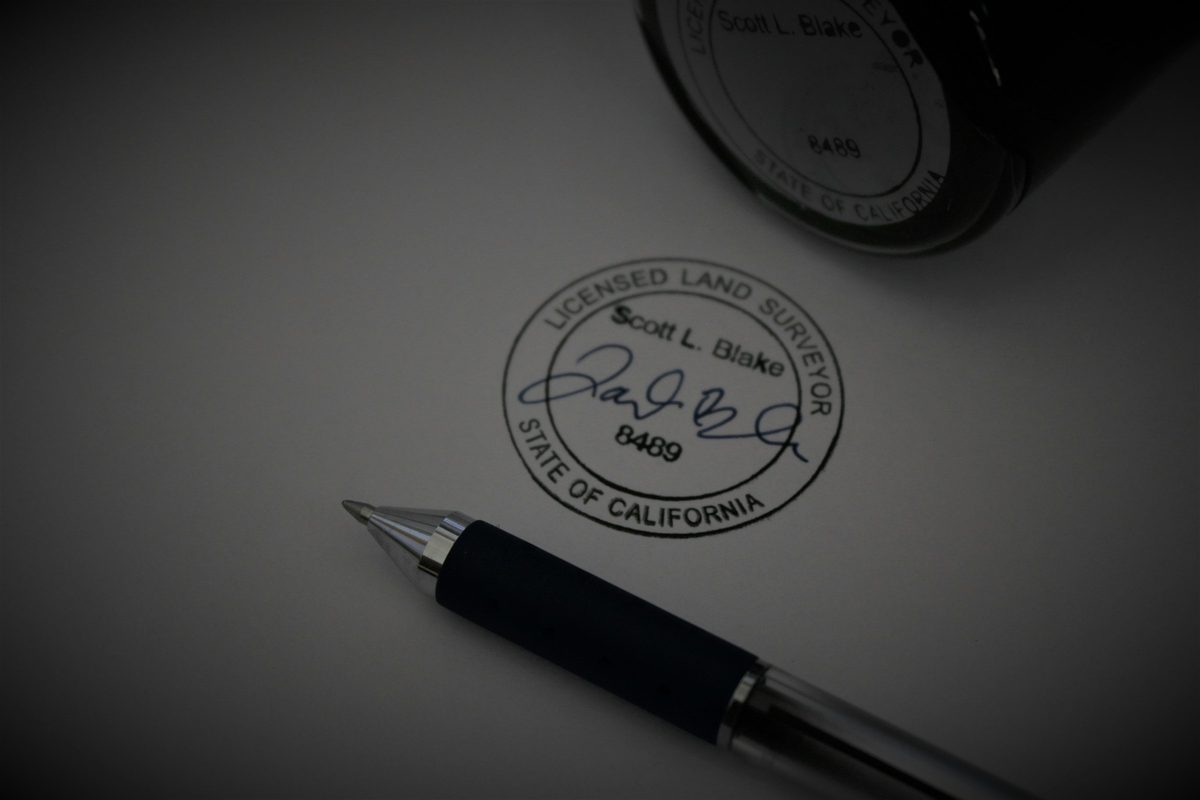
If you're moving abroad for work, study or family, you will often be asked for "attested" documents. Searches for certificate attestation, degree attestation and UAE attestation are common for good reason: for most people it's a process they meet for the first time, usually with a joining date or a visa deadline approaching.
This guide explains what attestation is, when it's needed, how the process works in general terms and how to avoid the delays we see most often.
What attestation is
Attestation is a chain of verifications that confirms a document issued in one country is genuine, so it can be accepted by authorities in another. Each authority in the chain confirms the signature or seal of the one before it. By the end, the receiving country can trust the document without contacting the original issuer.
Attestation or apostille?
Countries that are members of the Hague Apostille Convention accept a single certificate, the apostille, issued in India by the Ministry of External Affairs, instead of the full embassy chain. Countries outside the convention still need embassy attestation. Which one you need depends entirely on the destination country, and occasionally on the purpose. We check this first, because doing the wrong process wastes weeks.
When it's needed
Educational documents
- Degree certificates and mark sheets for employment visas abroad
- School certificates for children's admission overseas
- Professional qualifications for licensing, such as nursing, medicine or engineering
Personal documents
- Birth certificates, for children's residence visas
- Marriage certificates, for spouse and family visas
- Police clearance and medical certificates
- Name-change and divorce documents
Commercial documents
- Certificates of incorporation, powers of attorney and board resolutions
- Invoices, certificates of origin and other trade documents
How the process works, in general
The exact steps depend on the type of document, the state that issued it and the country it's for. A typical chain for an embassy attestation looks like this:
- Local or notary verification, where required.
- State-level verification: for example the state's Home Department for personal documents, or the education department for educational certificates.
- Ministry of External Affairs (MEA) attestation or apostille.
- The destination country's embassy in India, for countries that need embassy attestation.
- The destination country's foreign ministry after arrival, for some countries.
Commercial documents usually go through a chamber of commerce instead of the state department. Each step has its own queue, fees and processing times.
How long does it take?
Simple apostilles can be completed in days. A full embassy chain for a degree certificate often takes two to four weeks, longer if the university needs to verify the original or if a state department is busy. Plan for more time than you think you'll need, especially if your employer has given you a visa deadline.
What you'll need to provide
- The original document
- A copy of your passport
- For educational documents: sometimes the related mark sheets or provisional certificate
- An authorisation letter allowing us to submit on your behalf
- Details of the destination country and the purpose
Common pitfalls
- Starting late. Attestation is rarely the fastest part of a move abroad.
- Names that don't match. If your name is spelled differently on your degree and passport, sort it out first, or include supporting documents.
- Damaged or laminated originals. Some authorities won't stamp laminated documents.
- Skipping a step. A missing stamp anywhere in the chain means starting that stage again.
- Using unverified agents. Fake stamps exist, and they can cost you a visa and a job. Use an established agency you can visit.
How we help
Tell us which documents need attestation and for which country, and we'll explain the route, the timeline and the cost for your case before you hand anything over. We track each document through the chain and return the originals securely. Visit any of our offices across South India, or see document attestation and passport services.
Questions, answered
What is the difference between attestation and apostille?
An apostille is a single certificate from India's Ministry of External Affairs, accepted by countries in the Hague Apostille Convention. Countries outside it require a chain of attestations ending with their embassy.
How long does certificate attestation take?
An apostille can take a few days. A full embassy attestation of a degree often takes two to four weeks, depending on the state, the university and the embassy.
Do I need to submit original certificates?
Yes, attestation is stamped on the original document. We track it through each stage and return it to you securely.
Which documents are needed for a family visa abroad?
Usually a marriage certificate for a spouse and birth certificates for children, attested or apostilled for the destination country. Requirements vary, so we check first.
Related
Published by Airtravel Enterprises · More articles and guides