Vietnam trip cost from India: a realistic budget
Flights, hotels, the Ha Long Bay cruise, food and the e-visa: where the money goes on a Vietnam holiday, and how to keep it down.
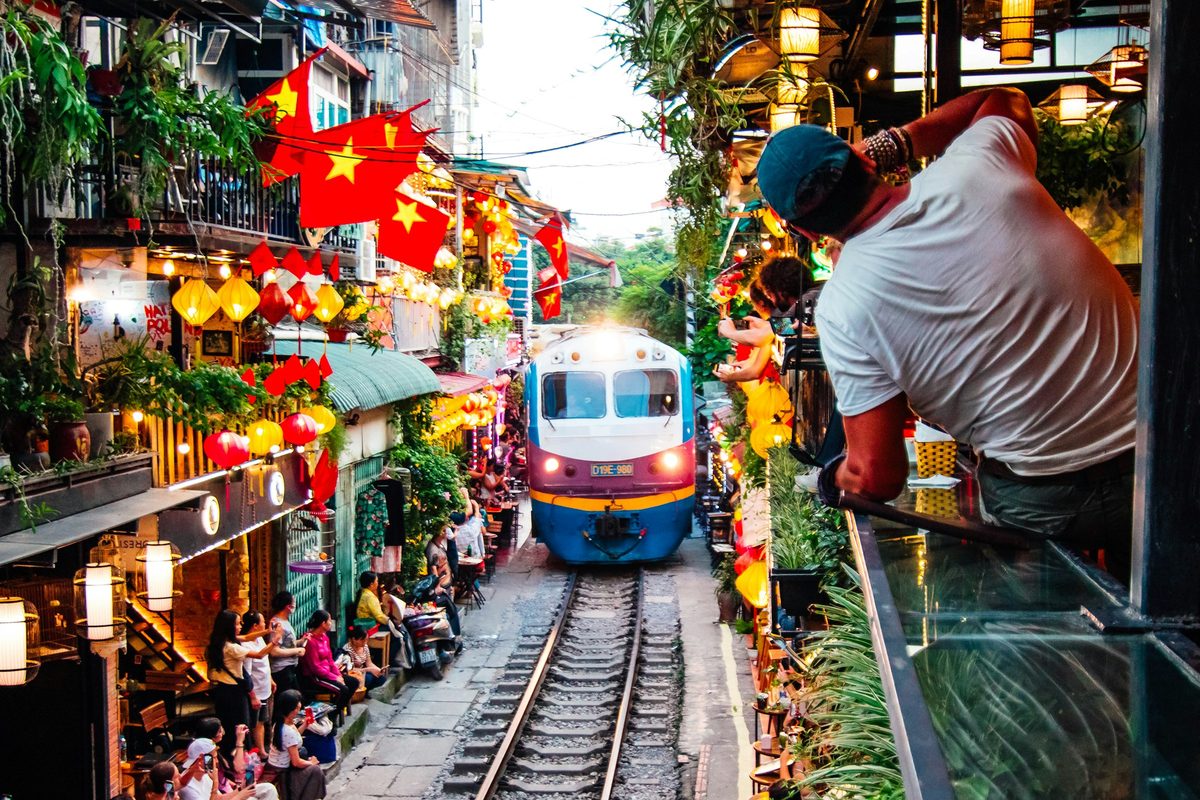
Vietnam is now the most-searched holiday from India, and "Vietnam tour package price" is one of the most common questions we're asked. It's easy to see why: dramatic scenery, excellent food, good hotels at modest prices, and direct or one-stop flights from most South Indian cities. It's also one of the best-value long-haul feeling holidays you can take from India.
Prices change with the season and your departure city, so rather than quoting a single figure, here's where the money goes, what affects each item, and how to plan a realistic budget.
The classic route
Most first visits cover the country north to south over seven to ten nights:
- Hanoi (2 nights): the Old Quarter, street food and the Temple of Literature
- Ha Long Bay (1 night): an overnight cruise among the limestone islands
- Da Nang and Hoi An (3 nights): Ba Na Hills and the Golden Bridge, Hoi An's lantern-lit old town and the beach
- Ho Chi Minh City (2 nights): the Cu Chi tunnels and the Mekong Delta
Phu Quoc island adds a beach finish. A shorter five or six-night trip usually focuses on the north or the centre.
Where the money goes
1. International flights
The largest single cost. Direct flights connect several Indian cities with Hanoi and Ho Chi Minh City, and one-stop routes via Singapore, Kuala Lumpur or Bangkok serve the rest. Fares vary by departure city: Mumbai, Bangalore, Chennai, Hyderabad and Kochi often price quite differently for the same dates. Flying into Hanoi and out of Ho Chi Minh City (an "open jaw") avoids backtracking.
2. Domestic flights
Hanoi to Da Nang and Da Nang to Ho Chi Minh City or Phu Quoc are short flights and usually good value when booked early. Allow for checked-bag fees on budget airlines.
3. Hotels
Vietnam's three and four-star hotels are excellent and cost much less than comparable hotels in Singapore or Europe. Upgrading to five-star in Hoi An or Da Nang is affordable compared with most destinations, and resorts on the beach are a popular splurge.
4. The Ha Long Bay cruise
The item with the widest price range. Overnight cruises run from simple boats to luxurious ships with balconies and spa treatments. A good mid-range cruise gives you the experience without the top-tier price. Day cruises cost less but miss sunset and sunrise on the bay.
5. Sightseeing and entry tickets
Ba Na Hills (including the cable car), the Cu Chi tunnels, the Mekong Delta day trip, water puppet shows and Hoi An's old-town ticket. Ba Na Hills is the largest of these.
6. The e-visa
Indian passport holders need a Vietnam e-visa. The government fee is US$25 for single entry or US$50 for multiple entry, valid for up to 90 days. It's issued online, usually within three to seven working days.
7. Food
One of Vietnam's great pleasures, and very affordable. Street food and local restaurants cost very little; even good restaurants are reasonable. Vegetarian and Indian food is available in the main cities. Many packages include breakfast only, which gives you the freedom to explore.
8. Insurance and extras
Travel insurance, a local SIM card, tips for guides and drivers, and shopping in Hoi An's tailors' shops, which are hard to resist.
What changes the price most
| Factor | Effect |
|---|---|
| Season | Christmas, New Year and Tet (Lunar New Year, late January or February) are the most expensive. Indian school holidays in May push up flights. |
| Departure city | Cities with direct flights are often cheaper and faster. |
| Hotel level | The step from three to four-star is small; five-star costs more in the cities. |
| Cruise level | The biggest single variable after flights. |
| Group or private | Group departures bring flight and hotel costs down. |
When to go
Vietnam is long, so the weather varies by region. As a rule of thumb:
- October to April: the best overall window for a north-to-south trip.
- February to April: pleasant almost everywhere and the sweet spot for value outside Tet.
- May to August: hot, with afternoon showers in the south; good for Da Nang's beaches.
- September to November: central Vietnam can see heavy rain and storms.
How to keep it down
- Travel between February and April, avoiding Tet.
- Book flights two to three months ahead.
- Choose a mid-range bay cruise rather than the top tier.
- Pick four-star hotels in the cities and save the upgrade for the beach.
- Join a group departure for better flight and hotel prices.
Get a quote
Tell us your departure city, dates, number of travellers and hotel level, and we'll quote the full trip: flights, hotels, cruise, transfers, sightseeing and the e-visa, with no surprises later. See Vietnam packages and group tours.
Questions, answered
How many days are enough for Vietnam?
Seven to ten nights covers Hanoi, Ha Long Bay, Hoi An and Ho Chi Minh City comfortably. Five or six nights works for one region.
Do Indians need a visa for Vietnam?
Yes, an e-visa. The government fee is US$25 single entry or US$50 multiple entry, valid for up to 90 days, usually issued within three to seven working days.
What is the best month to visit Vietnam from India?
February to April is the best balance of weather and value across the country. October to April works well overall; avoid Tet if you want lower prices.
Is vegetarian food easy to find in Vietnam?
Yes, in the main cities and tourist areas, including Indian restaurants. We note dietary needs on all bookings and cruises.
Is Vietnam cheaper than Thailand?
Hotels and food are similar or slightly cheaper; flights can cost more because the trip covers more distance. Overall, both are excellent value.
Related
Published by Airtravel Enterprises · More articles and guides