First-time Umrah checklist from India
Documents, packing, health, money and the practical things first-time pilgrims wish they'd known.
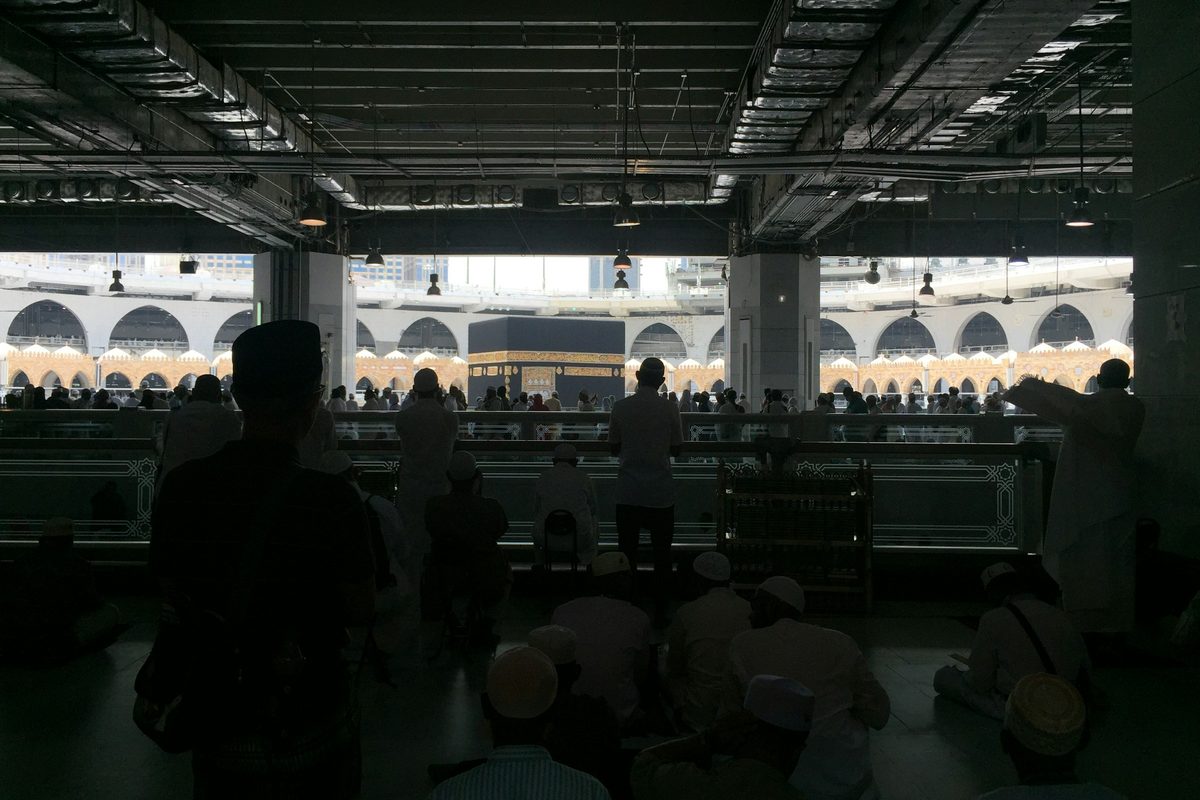
Your first Umrah is a journey you will remember for the rest of your life. Most first-time pilgrims tell us that the worship itself felt natural, and it was the practical details that took them by surprise: the walking, the crowds, the heat, keeping the group together and finding the right gate. A little preparation lets you focus on worship rather than logistics.
This checklist brings together what our pilgrimage team tells every first-time traveller from India, from documents and health to packing, money and what to expect on arrival.
Six to eight weeks before you travel
- Check your passport. It must be valid for at least six months from your travel date. If it isn't, renew it now; see passport services.
- Choose your package or route. For a first Umrah, a package with a hotel close to the Haram and a guide makes everything easier. Read Umrah visa or package?
- Book early for peak periods. Ramadan, school holidays and December sell out first.
- Start walking. You may walk 10 to 15 kilometres a day. Begin with daily walks of 30 to 45 minutes and build up.
Three to four weeks before
- Vaccination: the meningitis (ACYW) vaccine is mandatory and must be taken at least ten days before arrival. Keep the certificate with your passport. Ask your doctor about the seasonal flu vaccine too.
- Visa: submit your documents for the Umrah visa. We file it with your bookings.
- Medical check-up: especially for elders and anyone with diabetes, heart or blood pressure conditions. Ask your doctor for a short letter listing your medicines.
- Install Nusuk: the official Saudi app for Umrah permits and Rawdah visits. Register and learn how it works before you leave.
Documents to carry
- Passport, plus a photocopy kept separately
- Printed Umrah visa
- Printed flight tickets and hotel confirmations
- Meningitis vaccination certificate
- Insurance details and emergency contacts
- A few passport photographs
- Copies of everything saved on your phone and emailed to a family member
Packing list
For men
- Two sets of ihram, so one can be washed
- An ihram belt with pockets for money and phone
- Loose, light clothing for after Umrah
For women
- Loose, modest, breathable clothing in light fabrics
- Several scarves and an abaya or two
- Comfortable socks for the marble floors
For everyone
- Comfortable, broken-in sandals or walking shoes; never new ones
- A small bag to carry your shoes inside the mosque
- Unscented soap, shampoo and deodorant for while you're in ihram
- A refillable water bottle (Zamzam water is freely available)
- A small backpack or crossbody bag
- All regular medicines, in their original packaging, with prescriptions
- Vaseline or anti-chafing cream, plasters and blister pads
- Sunglasses, a foldable umbrella for sun and a power bank
- A small prayer book, or the app you use for duas
Health and stamina
The most common problems are blisters, dehydration and exhaustion. Drink water often, rest between prayers, and avoid the hottest part of the day for long walks. Elderly pilgrims should arrange wheelchair assistance in advance; wheelchairs and electric carts are available at the Haram. If you have a condition that needs monitoring, carry your medicines in your hand luggage and tell your group leader.
Money and phone
- Carry a debit or credit card that works abroad, plus some Saudi riyals in cash for small purchases.
- A local SIM card or an international roaming plan keeps you connected to the group. WhatsApp is how most groups communicate.
- Share your hotel name and room number with your group leader and family at home.
On arrival
- Arrival at Jeddah or Madinah airport can take time. Be patient and keep your documents together.
- If you're entering ihram for Makkah, do so at or before the Miqat. On flights from India this is usually announced on board before landing in Jeddah; many pilgrims put on ihram before boarding.
- Rest at your hotel before performing Umrah if you've had a long journey, especially elders.
Performing Umrah
Learn the steps before you leave: ihram and niyyah, tawaf, sa'i between Safa and Marwah, and halq or taqsir. Your package's pre-departure class or guide will walk you through them. Choose quieter times for tawaf (late night or mid-morning) if you're with elders, and agree a meeting point with your group in case you're separated.
Madinah
Most pilgrims spend four to five days in Madinah. Visiting the Rawdah needs a Nusuk permit with a time slot; book as soon as you know your dates. Your guide will arrange Ziyarat to Quba Mosque, Mount Uhud and other sites.
Choosing a package
For a first Umrah, look for a hotel within a short walk of the Haram, a guide who travels with the group, a pre-departure briefing, and a contact you can call at any hour in Saudi Arabia. Our pilgrimage desk in Calicut, Kochi and Trivandrum plans Umrah from every major South Indian airport. See Umrah packages.
Questions, answered
What vaccinations do I need for Umrah from India?
The meningitis (ACYW) vaccine is mandatory, taken at least ten days before arrival. A seasonal flu vaccine is recommended. Check with your doctor about anything else for your health.
How many days are enough for Umrah?
Most pilgrims from India stay 10 to 15 days, split between Makkah and Madinah. Elders benefit from a slower pace with rest days.
Where do I enter ihram when flying from India?
At or before the Miqat. On flights to Jeddah it is crossed before landing, and the crew usually announces it. Many pilgrims put on ihram at home or at the departure airport.
Can elderly parents perform Umrah comfortably?
Yes, with planning: a hotel close to the Haram, wheelchair assistance booked in advance, quieter times for tawaf and rest days between.
Do I need the Nusuk app?
Yes. It is the official Saudi platform for Umrah permits and Rawdah visits in Madinah. Install and register before you travel.
Related
Published by Airtravel Enterprises · More articles and guides