Visa-free and e-visa destinations for UAE residents, by passport
Your passport, not your residence, decides most entry rules. A guide for Indian, Arab, Western and Filipino residents of the UAE.
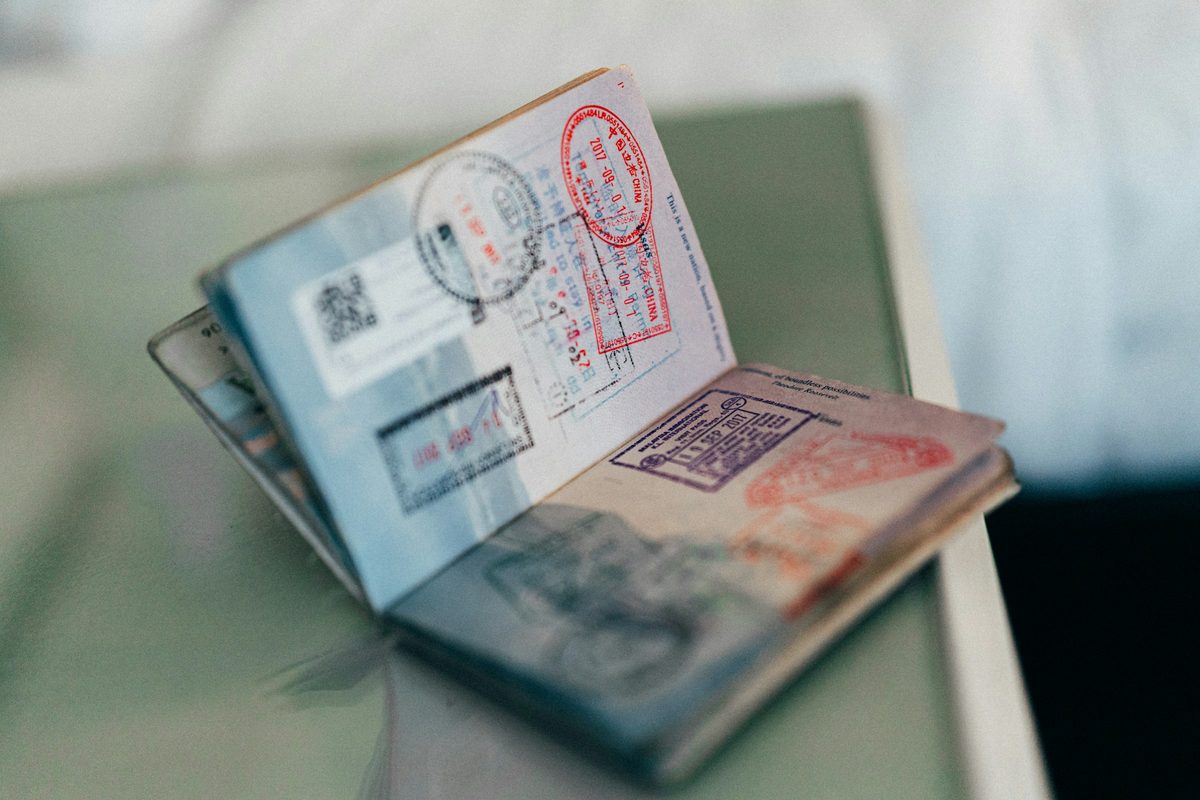
The UAE is home to people of almost every nationality, and that's why there's no single answer to "where can I go without a visa?" Two colleagues in the same Dubai office can have completely different entry rules for the same long weekend. Your passport decides most of it; your UAE residence sometimes helps; and a valid US, UK or Schengen visa can open more doors.
This guide covers the four largest passport groups among our travellers: Indian, Arab, Western and Filipino. It reflects the position at the time of writing (October 2026). Rules change often, so treat it as a starting point and ask us to confirm for your dates.
Indian passport holders
| Entry | Destinations |
|---|---|
| No visa or visa on arrival | Maldives (free 30-day visa on arrival), Thailand (30 days), Malaysia (30 days, currently until 31 December 2026), Mauritius, Nepal, Bhutan (entry permit), Kazakhstan (short stays) |
| Free or quick online authorisation | Sri Lanka (free 30-day ETA), Kenya (eTA) |
| e-visa | Georgia, Armenia, Azerbaijan, Uzbekistan, Vietnam, Cambodia, Oman. Turkey's e-visa is available if you hold a valid US, UK, Schengen or Irish visa or residence permit. |
| Full visa | Schengen, UK, US, Japan, South Korea, Canada, Australia, New Zealand |
A valid US, UK or Schengen visa can make Georgia visa-free and Turkey e-visa eligible. Some destinations also ease entry for UAE residents; we check both.
Arab passport holders
Rules vary more between Arab nationalities than for any other group, so we always check your specific passport.
- GCC citizens, including Emiratis, have wide visa-free access, including the Schengen area, the UK (with an ETA), Georgia, Azerbaijan, Turkey and much of Asia.
- Other Arab passports (Egyptian, Jordanian, Lebanese, Syrian and others): Georgia, Armenia, Azerbaijan and Turkey range from visa-free to e-visa to a full visa, depending on the country. UAE residence or a valid Schengen, UK or US visa often helps.
- Long-haul: Schengen, the UK and the US usually need a visa applied for from the UAE.
Western passport holders
UK, EU, US, Canadian, Australian and New Zealand passports enter most destinations visa-free or with a simple online authorisation. Check these newer requirements:
- UK ETA: the UK's Electronic Travel Authorisation is required for many visa-free nationalities, including EU citizens, Americans and GCC citizens. It costs £20 and is valid for two years.
- ETIAS: Europe's travel authorisation for visa-free visitors to the Schengen area is due to start in the last quarter of 2026, with a fee of €20. A transition period is expected before it becomes mandatory.
- EES: the EU's Entry/Exit System now registers fingerprints and a photo at Schengen borders on your first entry. Allow extra time at the airport.
- e-visas are still needed for some destinations, such as Vietnam, Sri Lanka (ETA), Kenya (eTA) and India.
Filipino passport holders
- Easy: most of Southeast Asia visa-free, including Thailand, Vietnam, Indonesia (Bali), Malaysia, Singapore and Cambodia.
- Check: Georgia, Armenia, Azerbaijan and Turkey, where rules depend on your UAE residence and other visas you hold.
- Full visa: Schengen, UK, US, Japan, South Korea, Canada and Australia, applied for from the UAE.
Does UAE residence help?
Sometimes, and it's worth asking. A few countries ease or waive visas for UAE or GCC residents of certain nationalities or professions, and many countries let UAE residents apply for their visa from the UAE rather than their home country. What residence rarely changes is the visa requirement itself: an Indian or Filipino passport still needs a Schengen visa, wherever you live.
Two practical rules apply to everyone:
- Your UAE residence visa should be valid for at least three to six months beyond your return date. Many countries and airlines check it.
- Your passport should be valid for six months beyond your arrival, with blank pages.
The easiest long weekends from the UAE
| Passport | Easy ideas |
|---|---|
| Indian | Maldives, Thailand, Sri Lanka, Georgia (with a valid US, UK or Schengen visa), Kazakhstan |
| Filipino | Thailand, Vietnam, Bali, Malaysia, Singapore |
| Western | Georgia, Armenia, Azerbaijan, Turkey, Maldives, Europe |
| GCC | Georgia, Azerbaijan, Turkey, Europe, Maldives |
Mixed-nationality groups
Families and friends in the UAE often hold several passports. Choose the destination that works for every passport in the group, or start the slowest visa first. We check every passport at the start of planning.
Send us your nationality and travel month, and we'll suggest destinations with the simplest entry. See visa services, long-weekend trips and Georgia, Armenia or Azerbaijan?
Questions, answered
Where can Indian residents of the UAE travel without a visa?
The Maldives, Thailand (30 days), Malaysia (30 days, currently until 31 December 2026), Mauritius, Nepal and Kazakhstan for short stays. Sri Lanka needs a free online ETA.
Does a UAE residence visa allow visa-free travel?
Rarely by itself. Your passport decides most entry rules. A few countries ease entry for UAE or GCC residents, and a valid US, UK or Schengen visa helps more often.
Do Western passport holders need anything for Europe and the UK?
The UK requires an ETA (£20) for many visa-free nationalities. Europe's ETIAS (€20) is due to start in late 2026 for visa-free visitors to the Schengen area.
Where can Filipinos in the UAE travel easily?
Most of Southeast Asia is visa-free for Philippine passports, including Thailand, Vietnam, Bali, Malaysia and Singapore.
How long should my UAE residence be valid when I travel?
At least three to six months beyond your return date is a safe rule. Some visa applications require more.
Related
Published by Airtravel Enterprises · More articles and guides